
Them brakes be hot hot too hot.
After absolutely roasting our brakes at Summit Point, we figured It’d be good to have some feedback on their temperatures.
As with all new projects, there were some learning opportunities. In this case, that was the concept of emissivity. Due to the shiny metal material of the brake rotors that the sensor is pointed at, the actual temperature reading is largely under-represented. However this is actually quite alright for us for a few reasons. First, the sensor is only rated to read up to 600 degrees Fahrenheit, which is significantly lower than the peak rotor temperature. However, due the emissivity value of the rotors, even as the brakes were massively overheating and could have been smelled a county away, the peak temperature we saw was ~535 degrees Fahrenheit. The thing is, we don't really care what the actual temperature is, we just want to know if we're close to the point where the pads will start melting. Therefore, now if we see >500 degrees, we know it's time to back off or get new pads in. No need for a more expensive complex sensor, and we get an early warning system to avoid catastrophic brake failure.
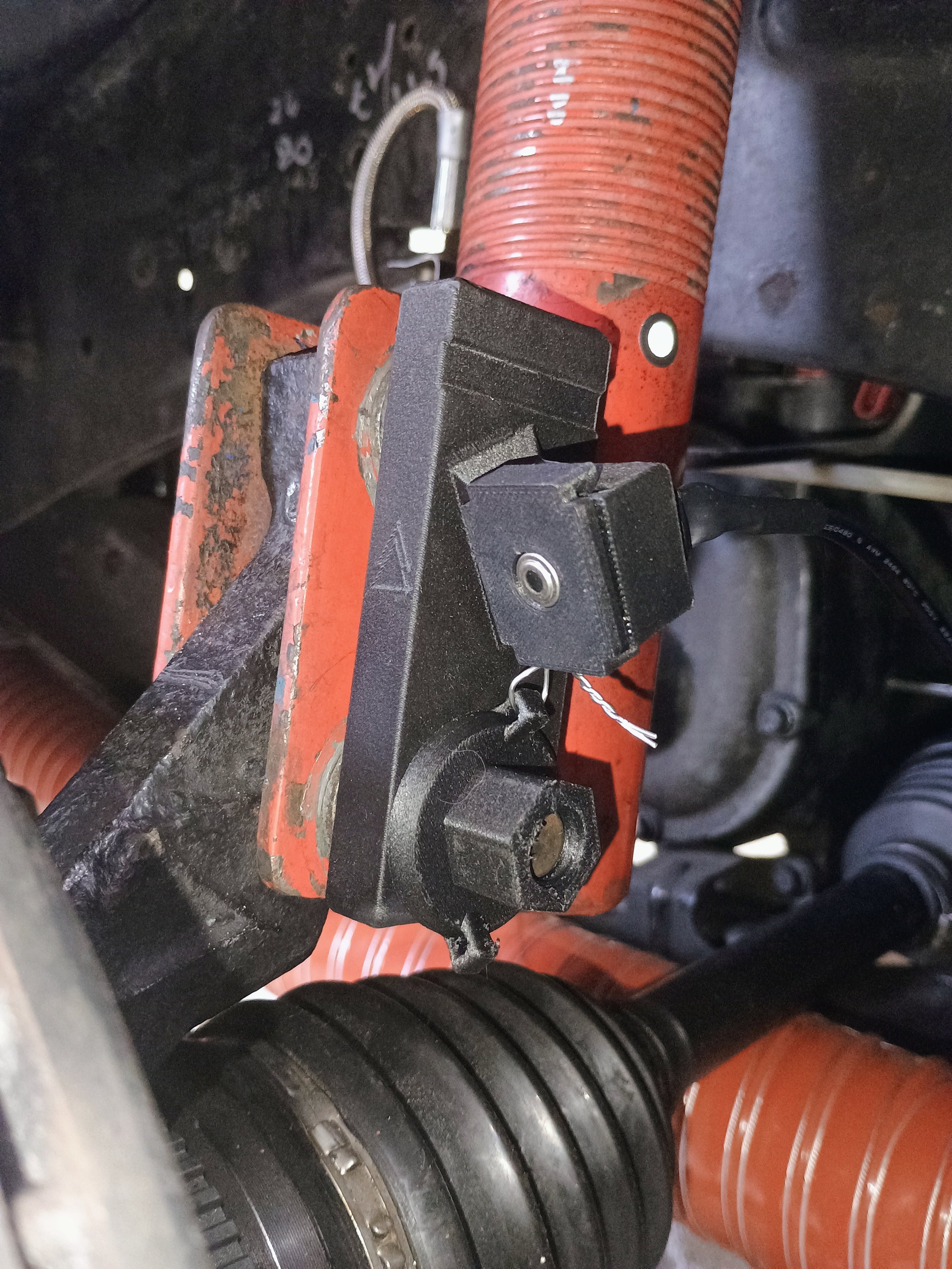
The brake Temp Sensor in place. The Sensor is attached with a custom designed housing and nut both made of PET-CF for strong thermal and chemical resistance. Plus some lock wire and zipties for good measure.
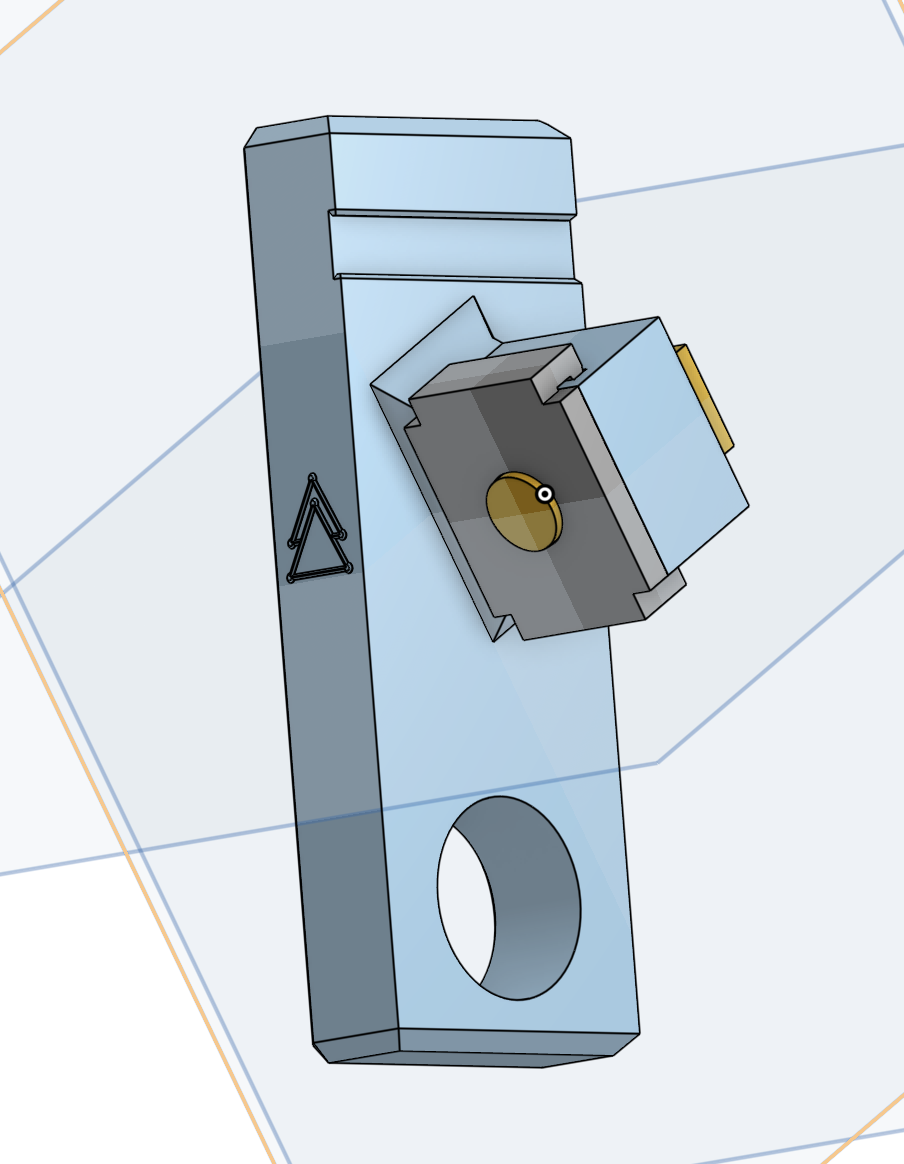
The Sensor housing is designed to mount onto any flat surface with minor tweaks to the baseplate. Allowing it to be adapted easily to other vehicles.
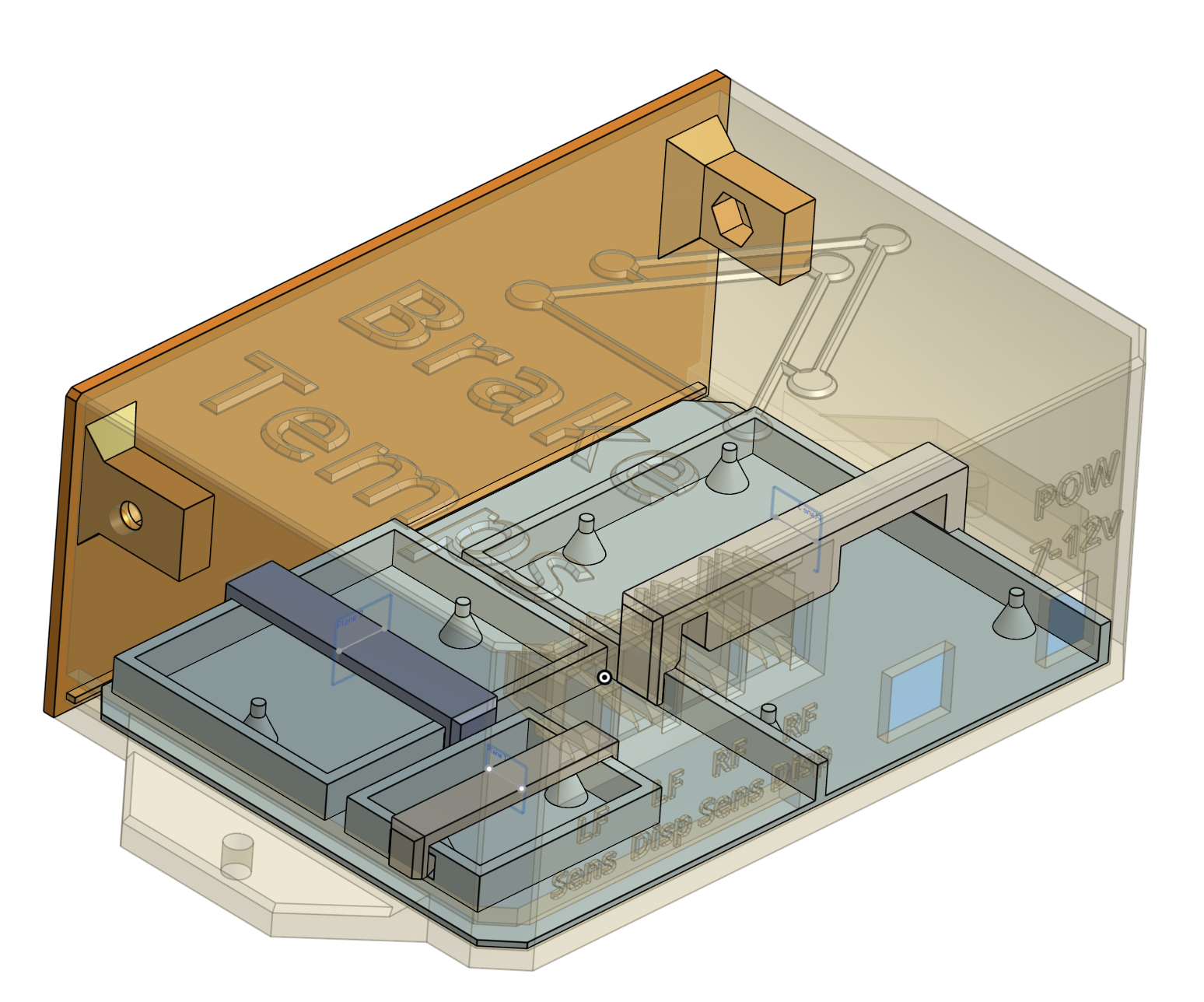
If I was doing this over again, I'd combine the internals of this control block with a custom PCB, reducing overall size, and increasing reliability. But in Lemons, cheap is the name of the game, and this is done, it works, and a failure wouldn't end a race. So we'll cross that bridge if it ever breaks.
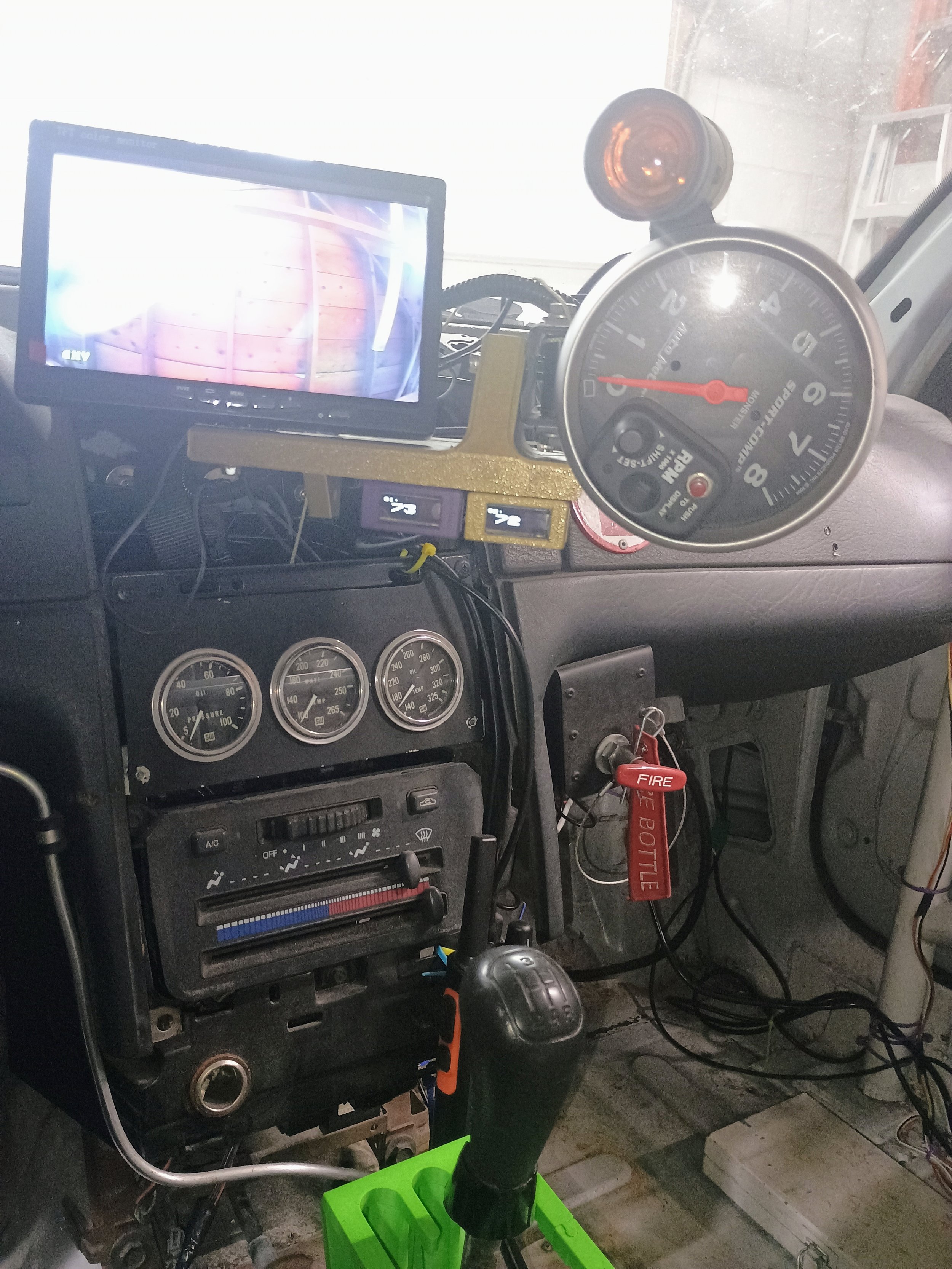
The live temperatures are then given to the driver on small OLED panels in the drivers line of sight.